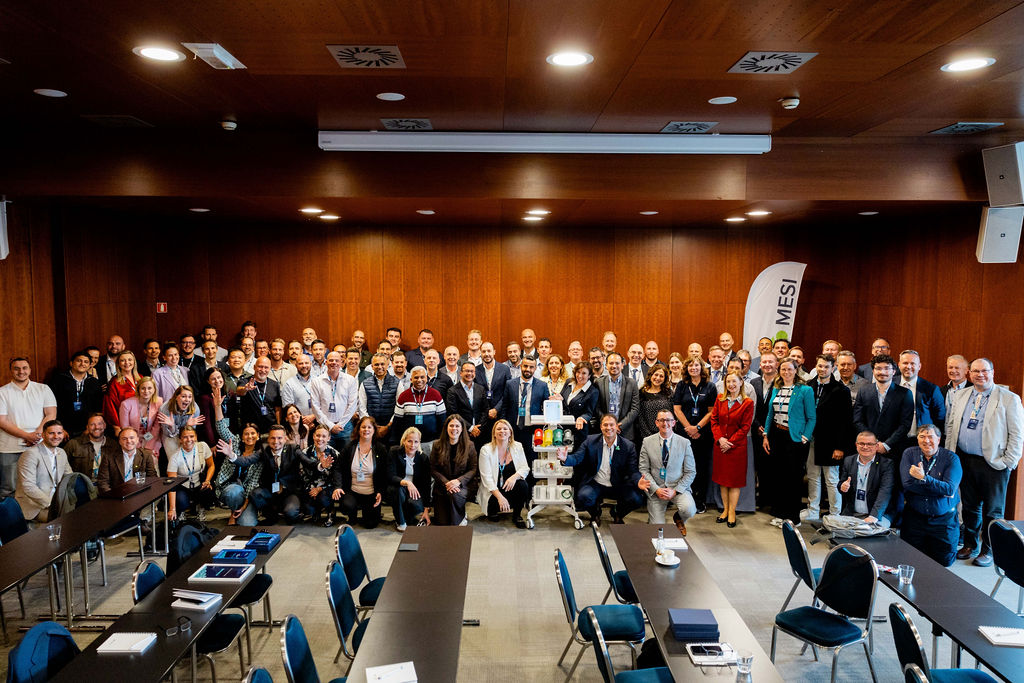
MESI Conference 2026

RE:DIAGNOSE with Integrated Diagnostics
How MESI Conference 2026 brought together technology, workflows and people shaping the future of diagnostics
From 18 – 19 May 2026, healthcare professionals, digital health innovators, partners and clinical experts from across the world gathered in Bled for two days dedicated to one important question:
How can diagnostics become more connected, structured and meaningful for modern healthcare?
Hosted at Hotel Rikli Balance, MESI Conference 2026 brought together clinical knowledge, digital innovation, practical workshops and human connection under the central theme RE:DIAGNOSE with Integrated Diagnostics.
The conference explored how integrated diagnostics can reduce fragmentation, simplify workflows and support faster, more confident clinical decisions across hospitals, primary care and community care environments.
But beyond the agenda itself, the event became a place where ideas, partnerships and experiences connected into one shared vision for the future of healthcare.
Day 1: redefining the future of diagnostics
The first conference day focused on four perspectives shaping the next generation of healthcare:
RE:THINK Technology
RE:DEFINE Workflows
RE:SET Outcomes
RE:CONNECT People and Care
From innovation to infrastructure
Jakob Šušterič, CEO at MESI, opened the conference by addressing one of healthcare’s biggest challenges today: diagnostic complexity. His presentation explored how Integrated Diagnostics can move beyond standalone devices and become part of a larger healthcare infrastructure that connects measurements, workflows, clinical documentation and decision making into one seamless ecosystem.
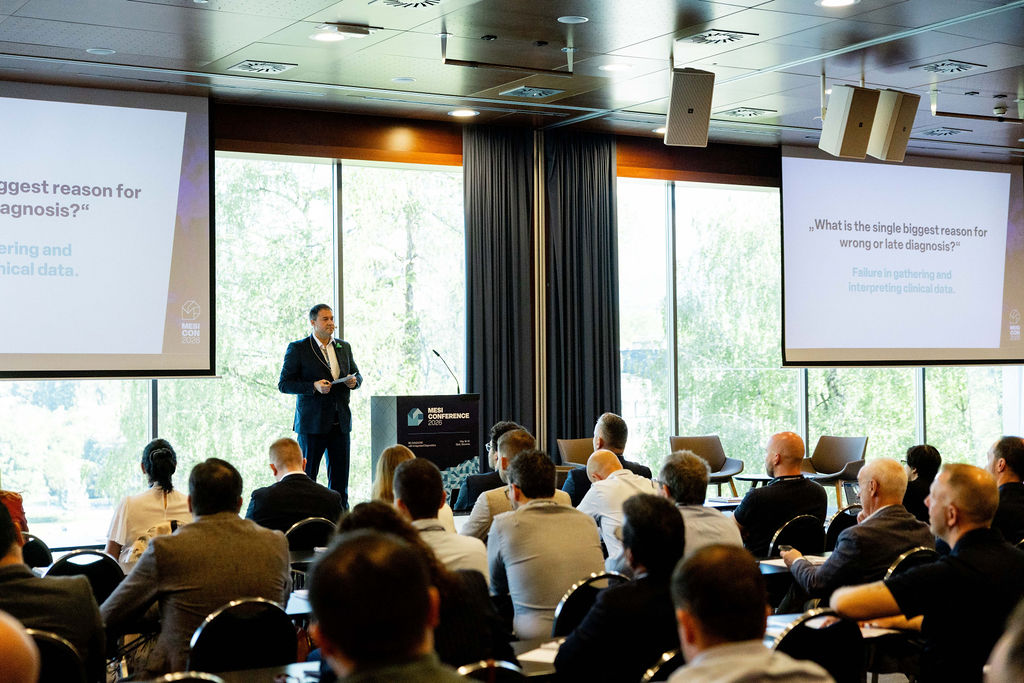
RE:THINK Technology
The first panel focused on how diagnostic pathways are evolving through technology, data and smarter workflows.
Dr. Sven Jungmann, physician and digital health innovator, shared his perspective on the future of digital healthcare and the importance of rethinking outdated clinical structures. Rather than focusing purely on technology itself, he emphasized how healthcare systems need to adapt to support more efficient and connected care delivery.
Dr. Rosa Maria Bruno from Université Paris Cité and Hôpital Européen Georges Pompidou highlighted the growing importance of arterial stiffness, pulse wave velocity (PWV) and vascular ageing assessment in cardiovascular prevention, explaining how earlier detection can improve long term patient outcomes.
Philip Meier from Primary Care Unit Sonnwendviertel brought a practical primary care perspective, discussing what it truly takes to implement integrated diagnostics into daily clinical environments and multidisciplinary healthcare teams.
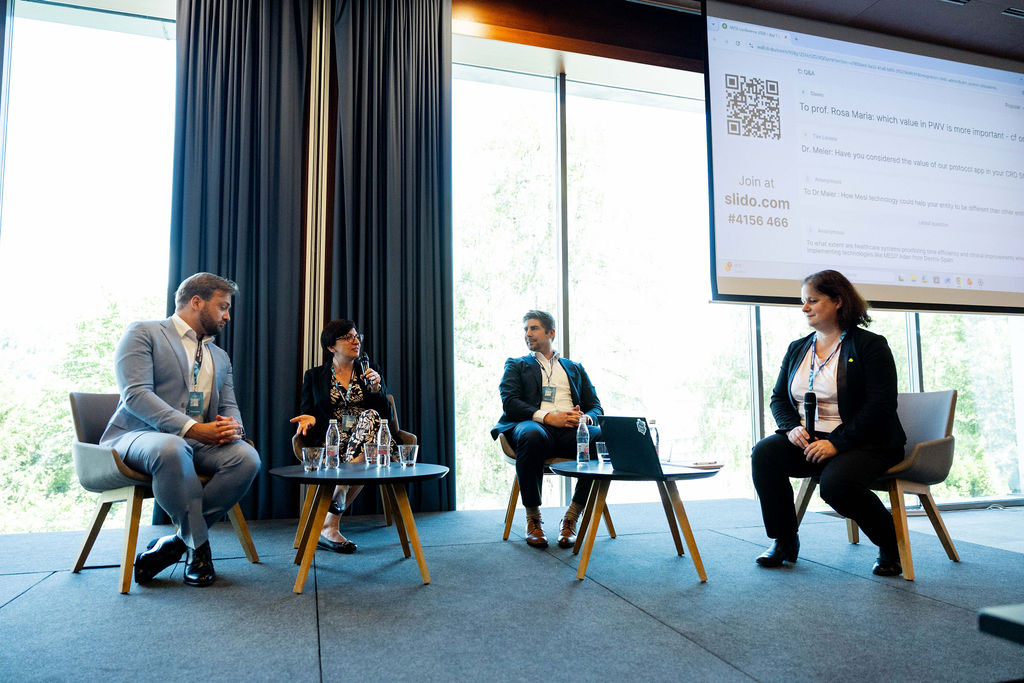
The panel concluded with a discussion moderated by Sandrine Millasseau, Country Manager at MESI France, connecting the speakers’ perspectives into a broader conversation about the future of healthcare systems.
RE:DEFINE Workflows
The second panel focused on one of the strongest themes of the conference: reducing friction in healthcare workflows. Menno Roos from MESI opened the discussion by presenting MESI’s perspective on redefining clinical workflows through Integrated Diagnostics and highlighted the importance of connected diagnostic ecosystems in modern healthcare environments.
Rajesh Shah from ZiplaneRX shared how integration creates value where it matters most, connecting healthcare technology with real clinical needs and practical workflows.
Aljaž Ferencek from MESI presented how mCONNECT enables interoperability between diagnostic devices, healthcare systems and electronic medical records, helping healthcare professionals reduce manual tasks and improve workflow consistency.
Bas Peeters shared experience bringing lung function diagnostics closer to primary care and explained how structured workflows can improve both efficiency and access to respiratory diagnostics.
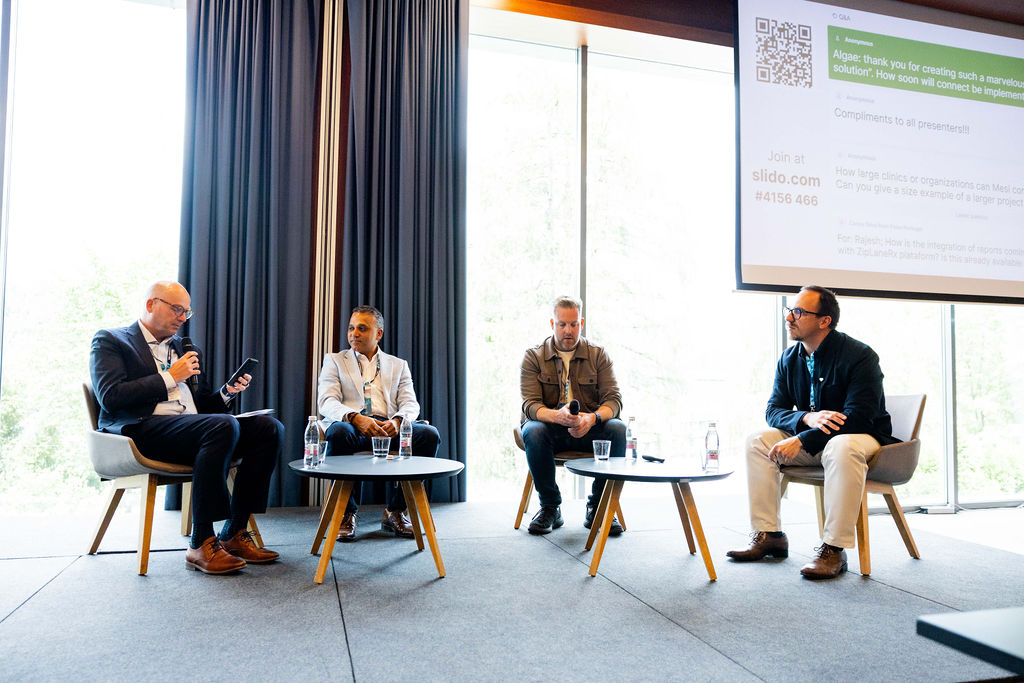
RE:SET Outcomes with Integrated Diagnostics
The third panel shifted the focus toward measurable clinical outcomes and preventive healthcare.
Klavdija Slapar from MESI opened the discussion by sharing a real-life story from her experience as a nurse, showing how integrated diagnostic approaches can support earlier detection, more consistent patient management and clearer clinical decision making.
Eliott Hergat from Diabet emphasized the importance of effective interdisciplinary collaboration and showed how structured diagnostics can strengthen chronic disease management and preventive care.
Assist. Nenad Čubrić, M.D. from UKC Maribor demonstrated how ABI measurements can be integrated directly into surgical workflows to support faster and more reliable vascular decision making.
Dr. Veronika Palmiste discussed the importance of making preventive PAD assessment reimbursable and accessible, emphasizing how clinicians can actively shape healthcare outcomes through early detection initiatives.
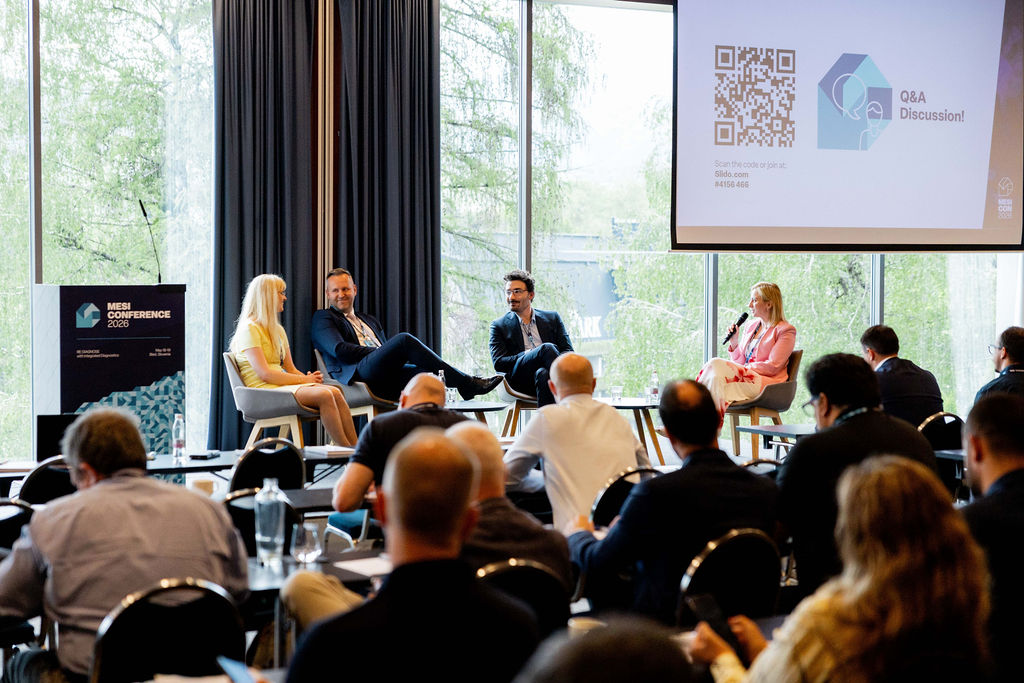
RE:CONNECT People and Care
The final panel explored how diagnostics are increasingly moving beyond hospital walls.
Timotej Vitez from MESI opened the discussion by highlighting the importance of expanding access to diagnostics beyond traditional care settings and bringing structured diagnostic insights closer to patients.
Norman Murphy from Bluebird Care shared insights into community based care and demonstrated how diagnostics can support more proactive home healthcare models.
Enis Kaya from OneDose presented how integrated digital care pathways can connect healthcare providers, prescriptions and diagnostics into one coordinated patient experience and support more effective remote care delivery.
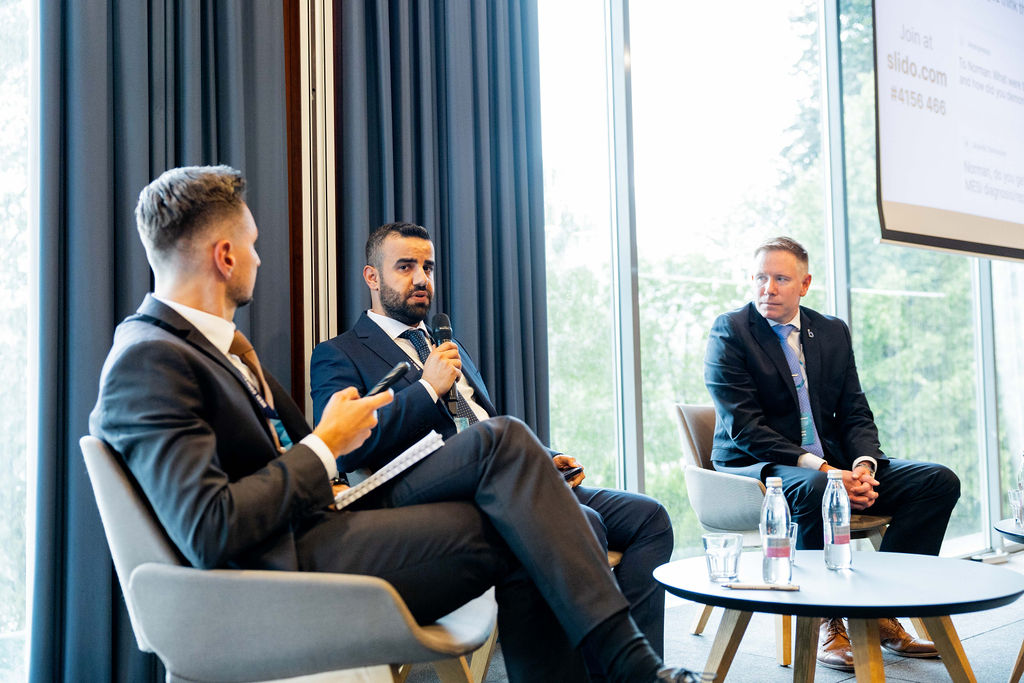
Across all sessions, one message remained clear: Integrated Diagnostics is no longer only about devices. It is about connecting people, workflows, systems and clinical insights into one smarter healthcare ecosystem.
Day 2: integrated diagnostics in practice
Unlike traditional conference formats, the second day transformed participants from listeners into active participants. Across product workshops, business meetings, sales sessions, interactive corners and live demonstrations, attendees experienced Integrated Diagnostics directly in practice.
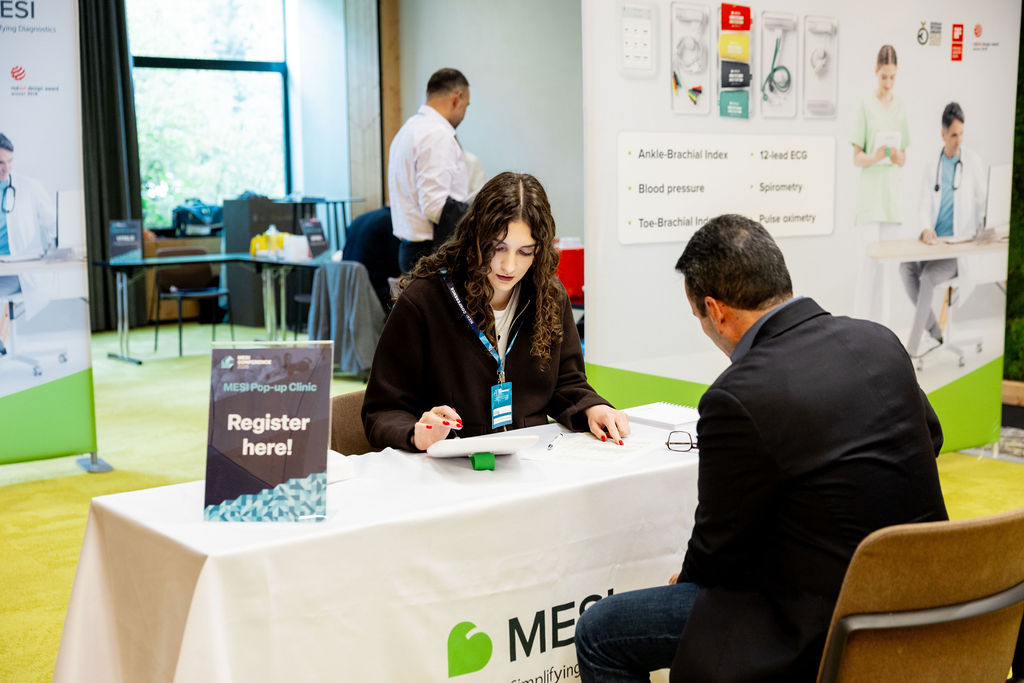
One of the most dynamic parts of the programme was the MESI Pop Up Clinic, where participants could undergo real measurements themselves and experience how connected diagnostic workflows function in real clinical scenarios. Led by Suzana Gerkšič, Klavdija Slapar, Špela Purkart Vižintin and Tinkara Royal Mlinar, the clinic demonstrated how diagnostics can become faster, simpler and more structured, from the first measurement to clinical interpretation and workflow integration.
At the same time, product workshops explored practical implementation of integrated diagnostics across different healthcare environments.
Klavdija Slapar presented how Integrated Diagnostics support 4P (predictive, preventive, personalized and participatory) primary care models, while Menno Roos focused on improving safety and consistency in hospital environments through connected workflows. Špela Purkart Vižintin and Tinkara Royal Mlinar, PhD demonstrated how integrated arterial assessment can help bridge the PAD detection gap through ABI and PWV measurements.
Aljaž Ferencek, PhD showcased the importance of interoperability and connectivity through mCONNECT, while Matija Valinger Sluga guided participants through the newest MESI mTABLET functionalities, workflow improvements and practical tips.
The Sales Skills Lab added another important dimension to the conference by helping partners translate Integrated Diagnostics into clear, value driven conversations for their local markets.
Sessions led by Arco Van der Kaaden, Tina Pogačar and Timotej Vitez focused on positioning integrated diagnostics as a growth engine, understanding real market perspectives and turning customer insights into practical sales execution.
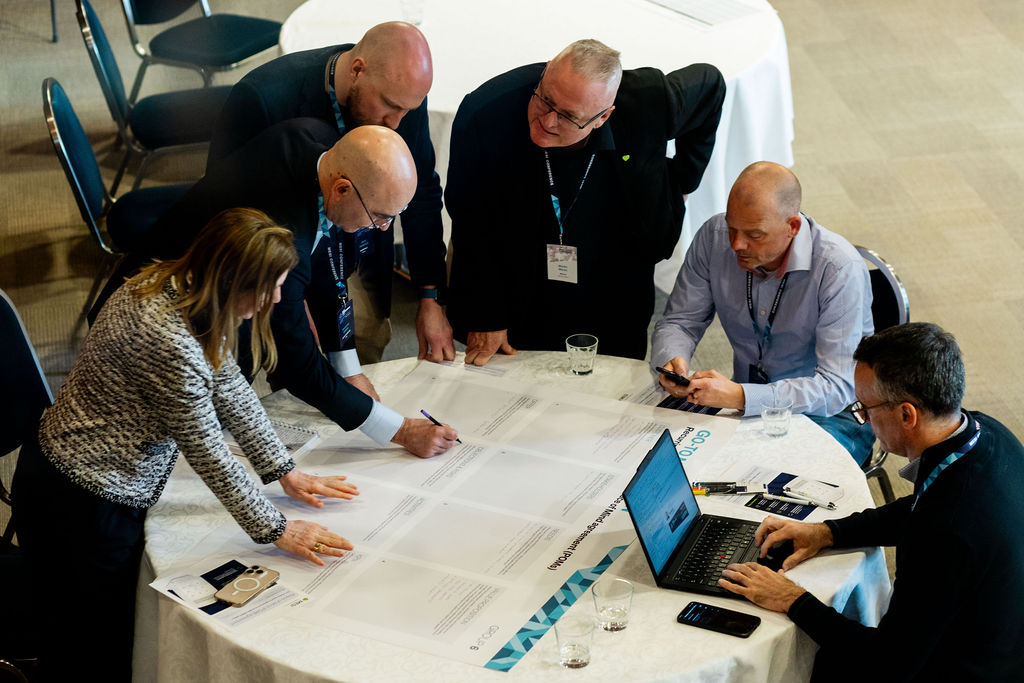
Meanwhile, the Interactive Corners created direct engagement between participants and MESI experts through hands on demonstrations, workflow discussions and practical troubleshooting sessions.
Throughout the second day, the atmosphere remained highly interactive, collaborative and practical, reflecting the core philosophy behind MESI Conference 2026: Diagnostics should not create additional complexity. They should simplify healthcare workflows, support better decisions and bring healthcare professionals closer to patients.
More than a conference
MESI Conference 2026 was not only about technology. It was about building a community that believes healthcare should become more connected, proactive and patient centered.
From strategic discussions and clinical sessions to lakeside networking and evening gatherings above Lake Bled, the conference created space for meaningful conversations that extended far beyond the official agenda.
The event demonstrated that Integrated Diagnostics is no longer just a concept. It is becoming a real movement toward smarter workflows, structured healthcare data and better clinical outcomes.
And MESI Conference 2026 showed that this future is already being built together.