Rethinking diabetes care with Integrated Diagnostics
Preventing the most serious complications of diabetes often begins with something simple: earlier and more systematic vascular screening. Yet in everyday primary care, this essential step is still too often forgotten. Between lack of time, fragmented follow-up and limited awareness of specific needs, vascular assessment remains a weak link in many diabetes care pathways.
A fragmented care pathway with real consequences
For many diabetic patients, the biggest challenge is simply keeping their care coordinated. Diabetes requires multiple examinations spread across general practice, cardiology, vascular medicine, ophthalmology and more. This geographical and organisational dispersion often weakens continuity of care. Patients become responsible for carrying their own medical history from one specialist to another, with a high risk of missing information along the way.
On top of this organisational complexity, the therapeutic and emotional load is significant. Daily injections, strict adherence to medication, constant monitoring of hypoglycaemia; these demands weigh heavily, especially for patients with type 1 diabetes or those treated with insulin. Understanding this human dimension, says Dr. Hergat, is essential to providing the right support.
Bringing professionals together under one roof is one of the most effective ways to simplify this journey. Multidisciplinary care reduces delays, helps avoid missed appointments, and ensures that no discipline works in isolation. It also addresses the shortcomings often observed in cardiology or ophthalmology follow-up, which are essential components of diabetes management.
Earlier check-ups to prevent severe complications
Much of effective diabetes care depends on simple, accessible and regular check-ups. Patients often remain unaware that they should have their feet, arteries or even teeth examined routinely. Time-pressured appointments contribute to these oversights, even though vascular and podiatric assessments are critical to preventing complications such as ischemia, chronic wounds or, at the most severe stage, amputation.
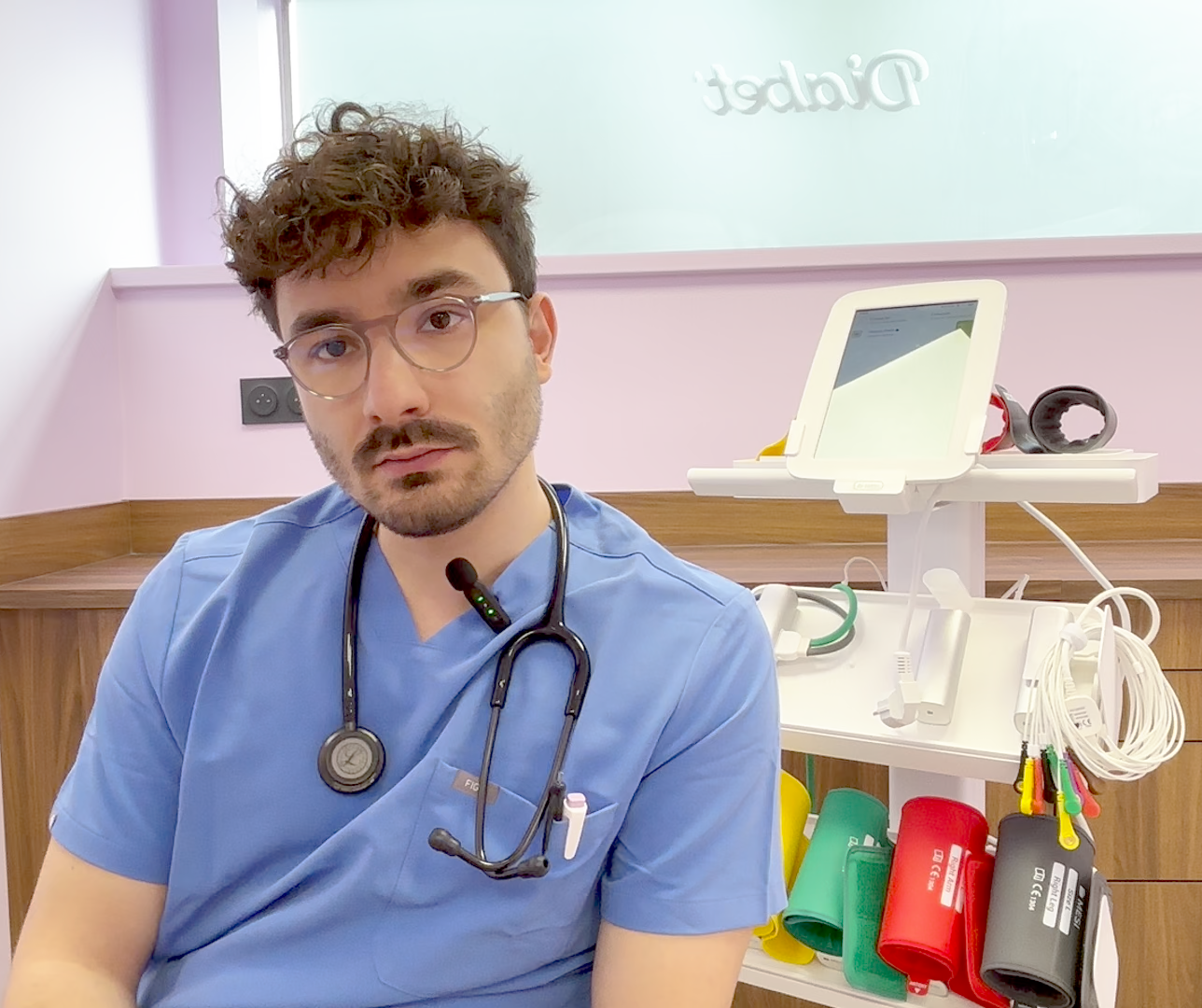
This philosophy inspired the creation of Diabet’, the multidisciplinary centre dedicated to diabetic patients. The model brings together general practitioners, cardiologists, diabetologists, ophthalmologists, vascular specialists, podiatrists, nurses and psychologists in one place. Centralising expertise improves access to care, smooths the patient journey and allows for precise risk stratification without the constant need for travel.
For such a system to work, the foundations must be solid: shared communication, seamless exchange of information and a patient record accessible to all practitioners. According to Dr. Hergat, this avoids repeating patient interviews, prevents the loss of key details and frees up time for clinical care rather than administration.
Within this integrated structure, the MESI mTABLET found its natural place. Its mobility and modularity allow each practitioner to use it for their specific needs, like blood pressure, ABI, ECG and more, without multiplying equipment. Just as importantly, interoperability ensures that every result flows automatically into the shared patient record. This reduces errors, eliminates double entry, and guarantees continuity of care across all specialties involved.
By combining early screening, multidisciplinary coordination and intelligent tools that fit naturally into the workflow, centres like Diabet’ are helping ensure that diabetic patients receive coherent, preventive and truly patient-centred care long before complications become unavoidable.